
Adolescent Health Program for Girls (11 - 18) in Delhi
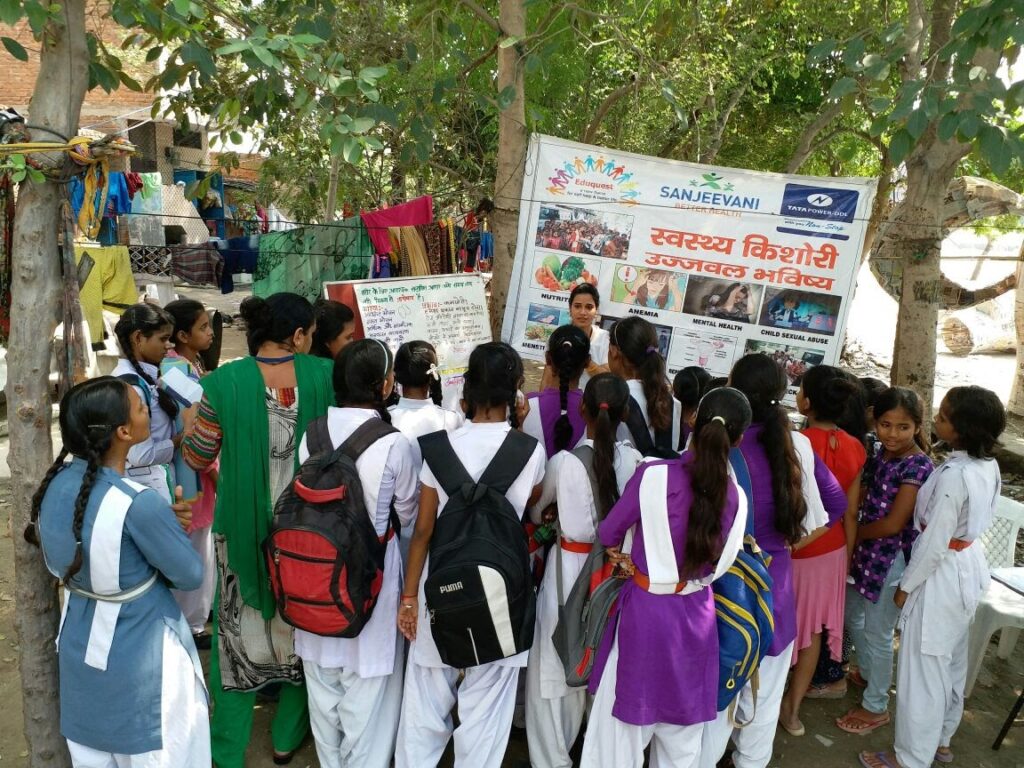
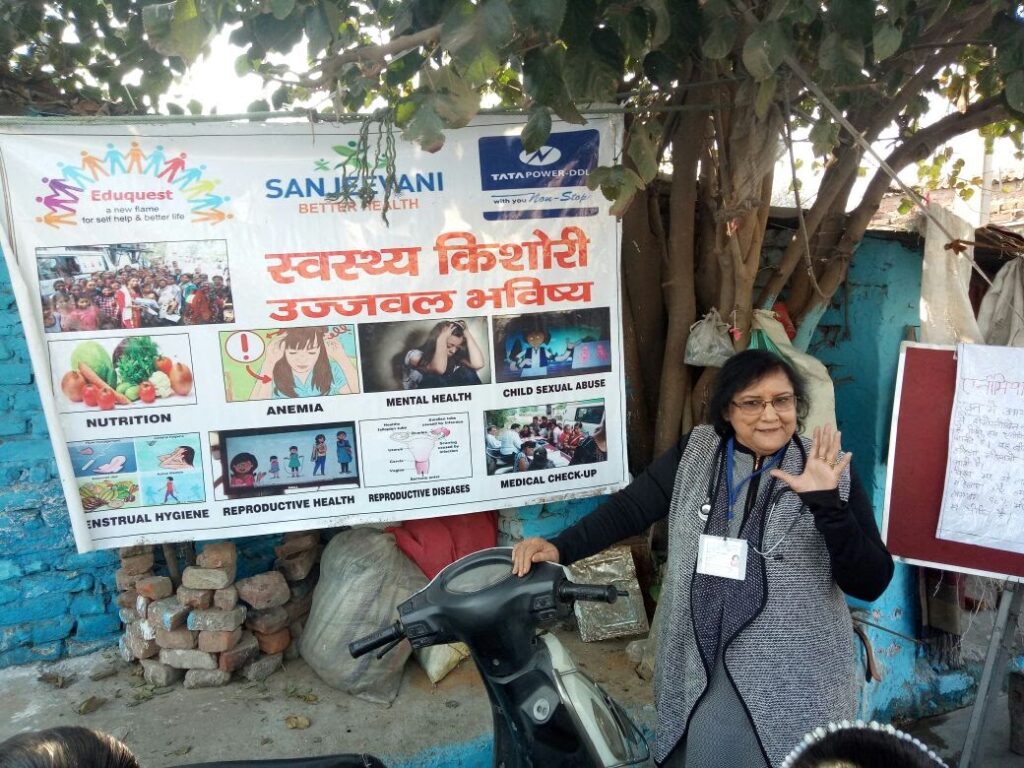
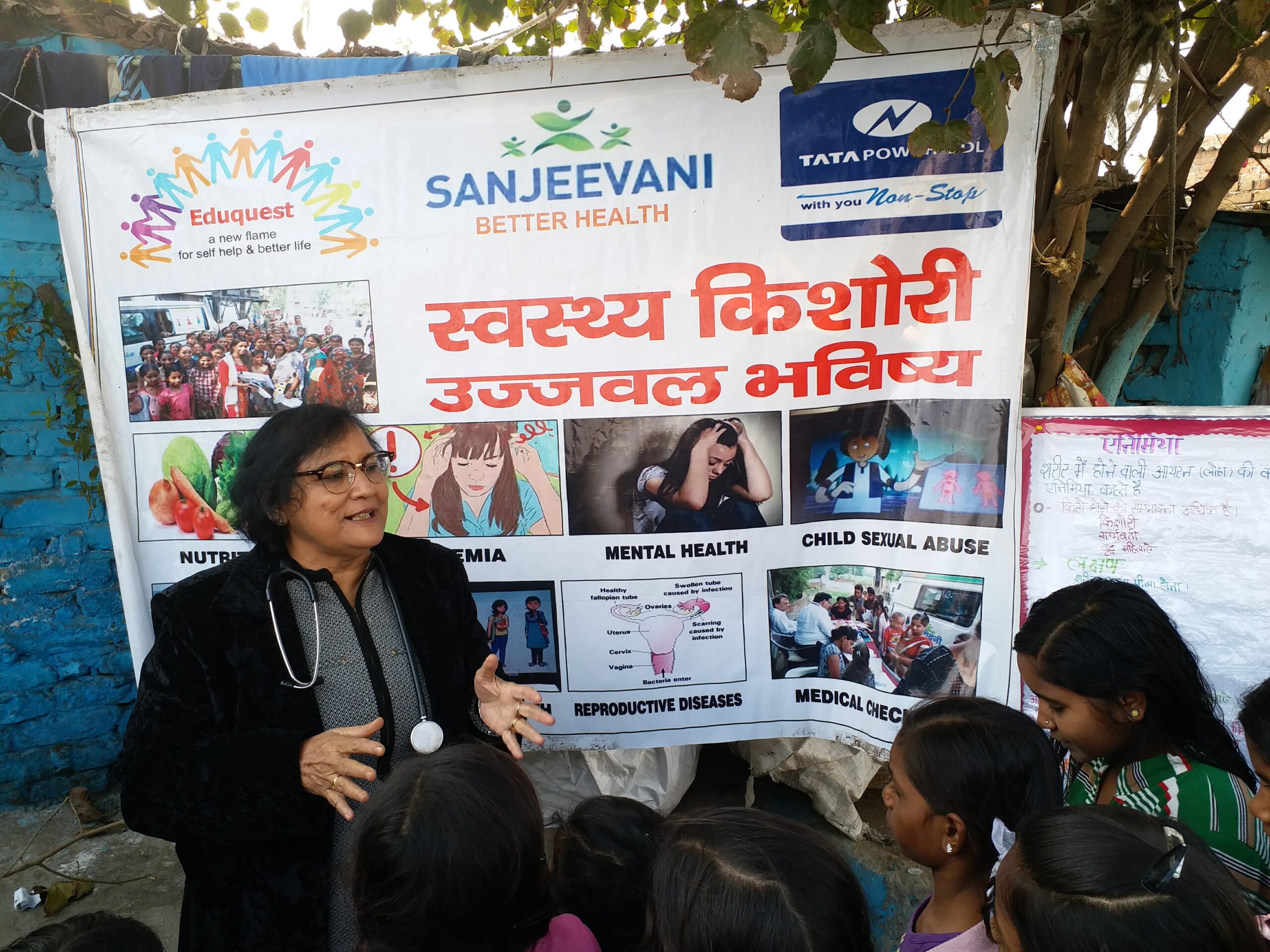
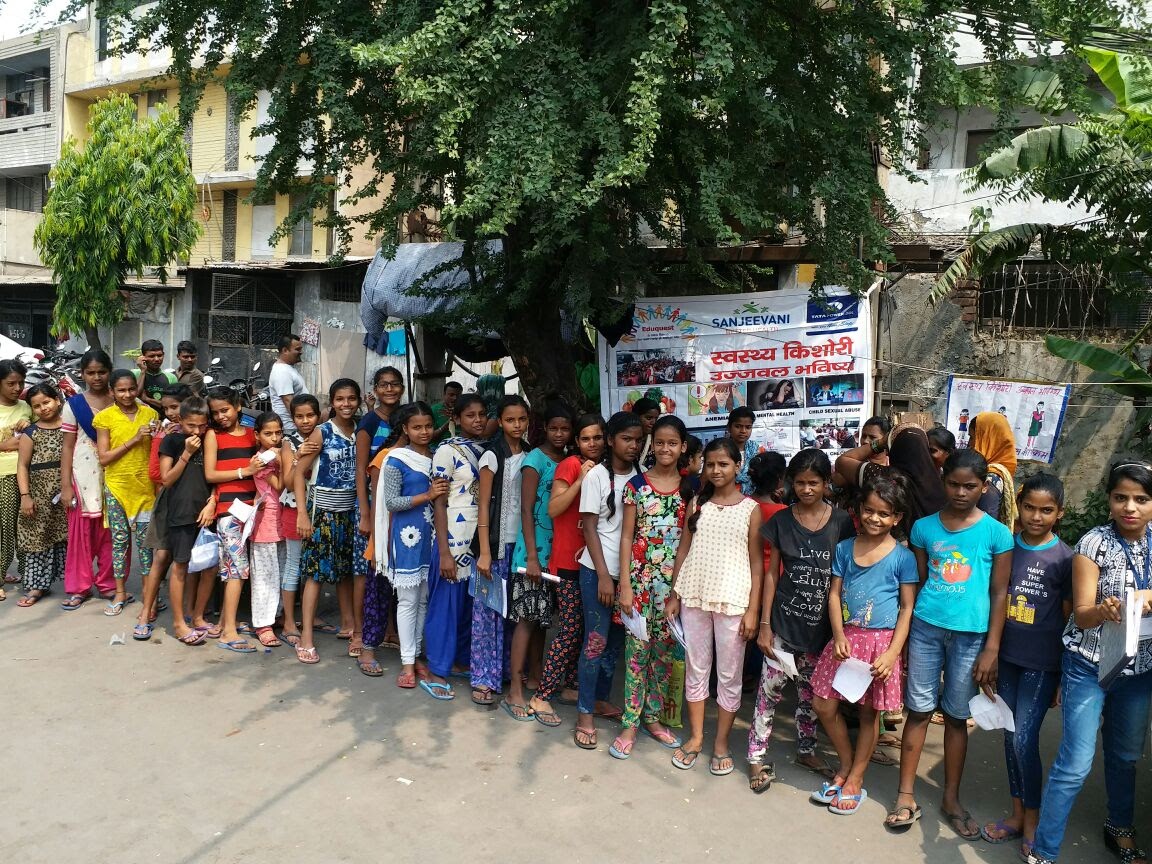
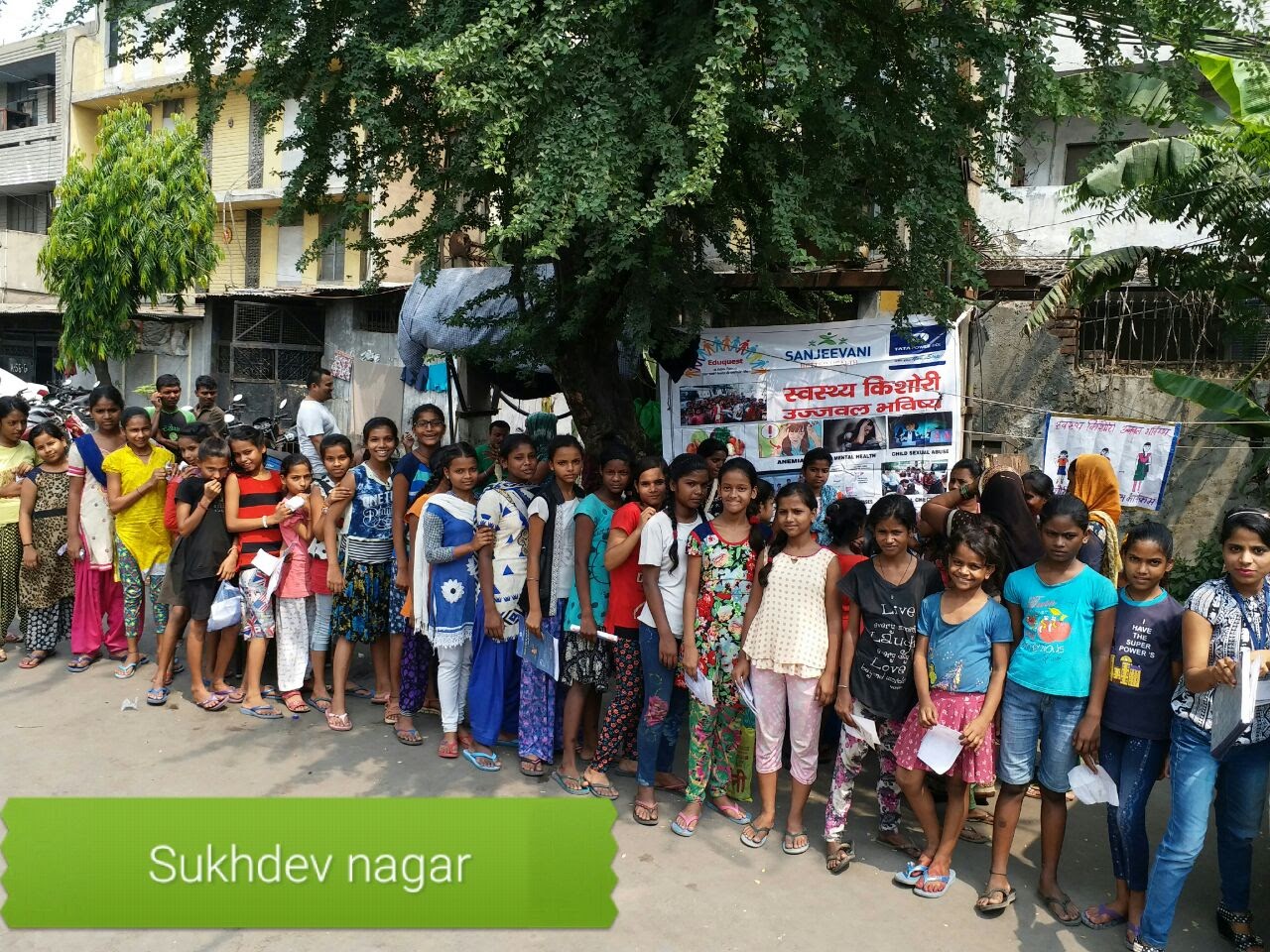
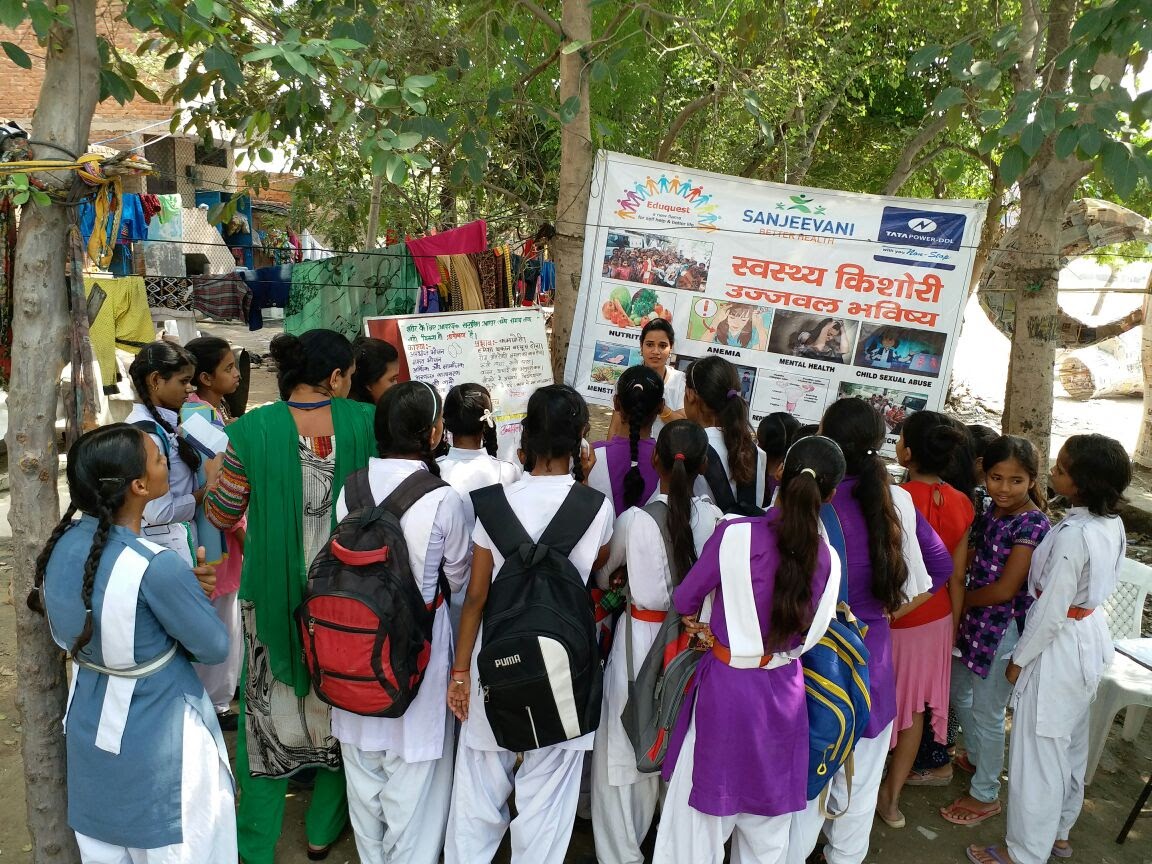
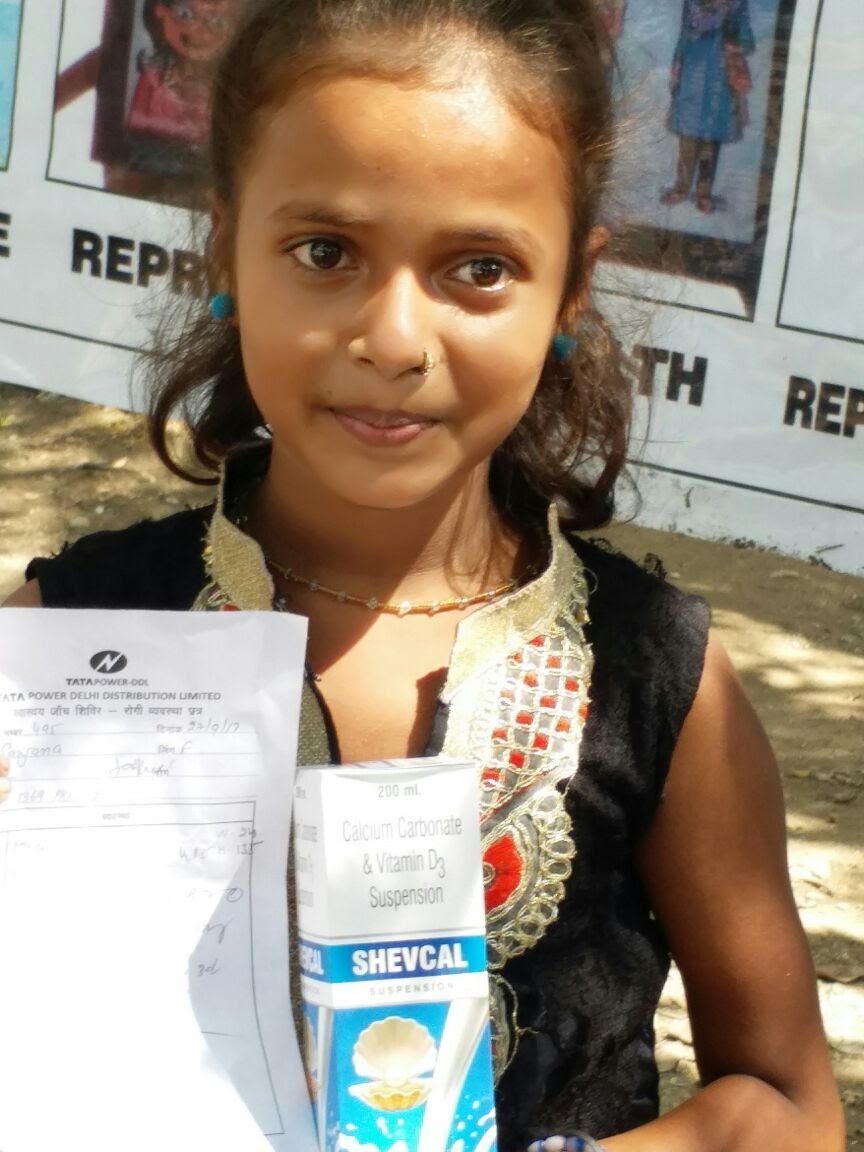
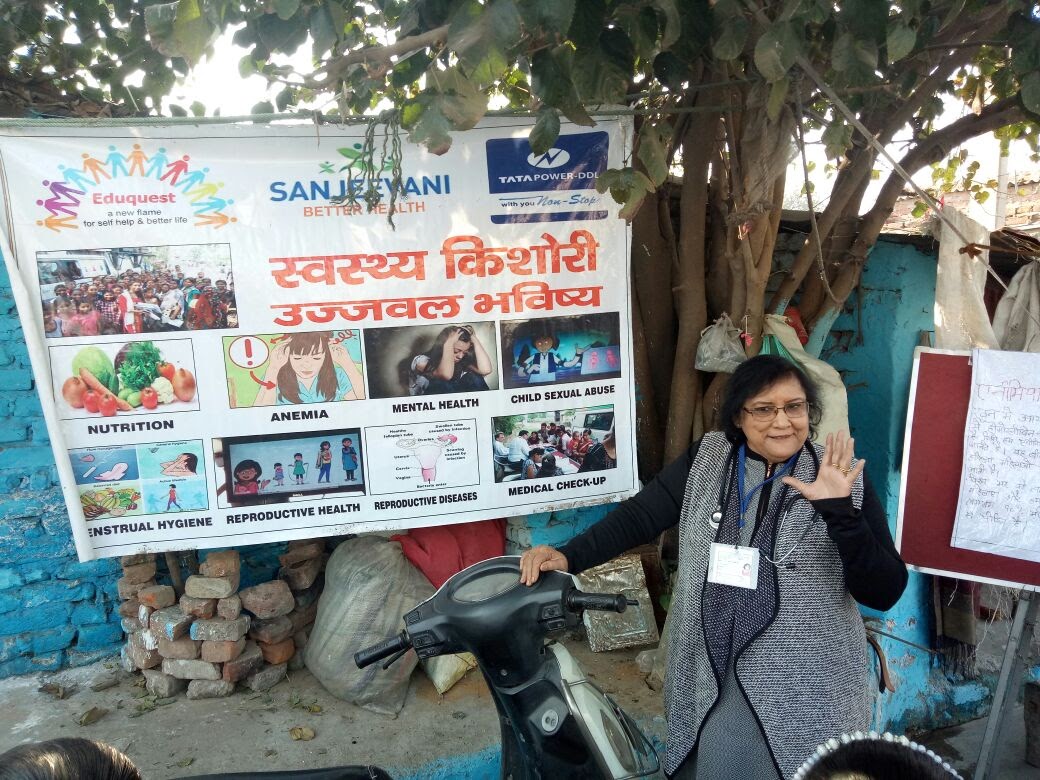
Adolescence is when lifelong health habits take shape, but for many girls in underserved communities, reliable health information, safe guidance, and regular check-ups are limited. Eduquest runs an adolescent health initiative for girls (11 -18) in JJ clusters and underdeveloped areas to support health awareness, hygiene, confidence, and practical wellbeing, through community-based sessions and check-ups.
In India, adolescents represent a major opportunity for the country’s future, yet many girls face barriers to healthy development due to poverty, discrimination, limited education access, and early responsibility at home.
In under-served communities, girls often have:
• limited access to trustworthy health guidance
• low awareness around hygiene and nutrition
• irregular health check-ups
• social pressure and norms that reduce choices and confidence
Eduquest’s approach is to bring consistent awareness + support + safe learning environments closer to where girls live.
What the program aims to achieve.
Eduquest aims to support adolescent girls to:
Build confidence and personal responsibility
01
Develop practical skills that improve future stability.
02
Stay connected to education.
(at least through higher secondary level, where possible)
03
Understand hygiene, nutrition, and preventive health habits.
04
Identify common physical and mental wellbeing concerns and seek timely support.
05
Strengthen awareness around rights, safety, and healthy choices.
06
Reduce harmful norms and pressures through awareness and community involvement.
07
A community-based health and confidence initiative
This program supports girls to become more informed, confident, and self-reliant – through practical sessions that focus on:
Community engagement model (step-by-step)

Girls as agents of change
We’ve learned that the program works best when girls aren’t treated only as participants, but as contributors. Peer groups and collective activities:
What sessions include
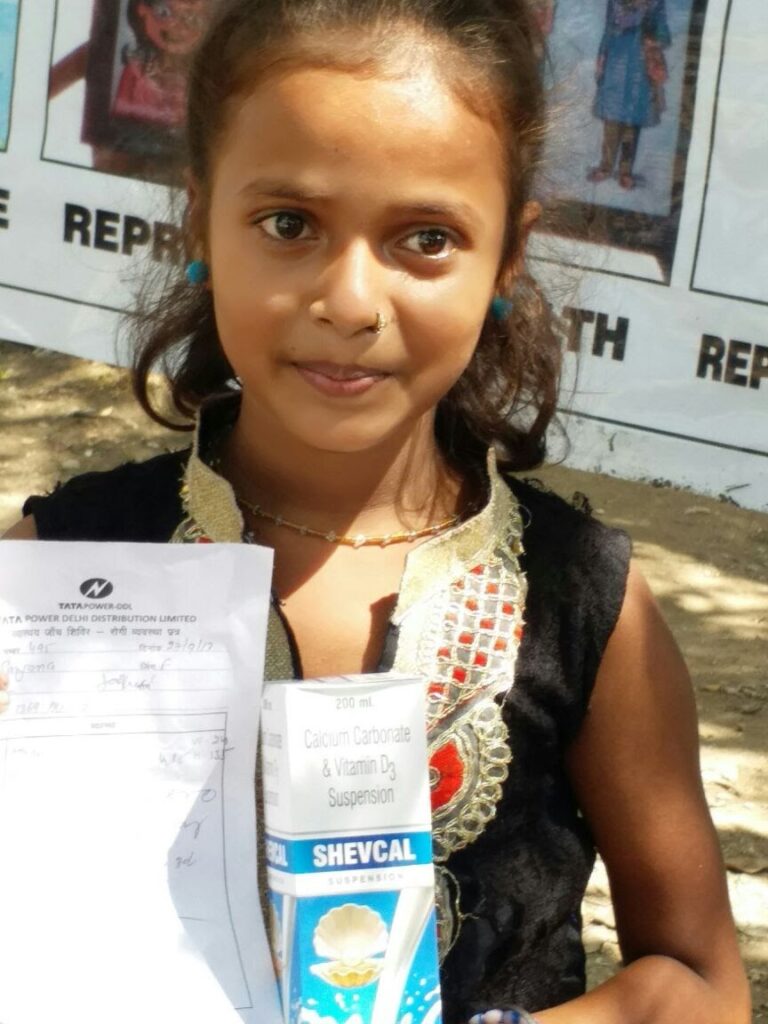
Health check-ups & basic screening (where feasible)
• General check-up and guidance
• Haemoglobin check-up (where feasible)
• Counselling and referrals where appropriate
Hygiene & menstrual hygiene education
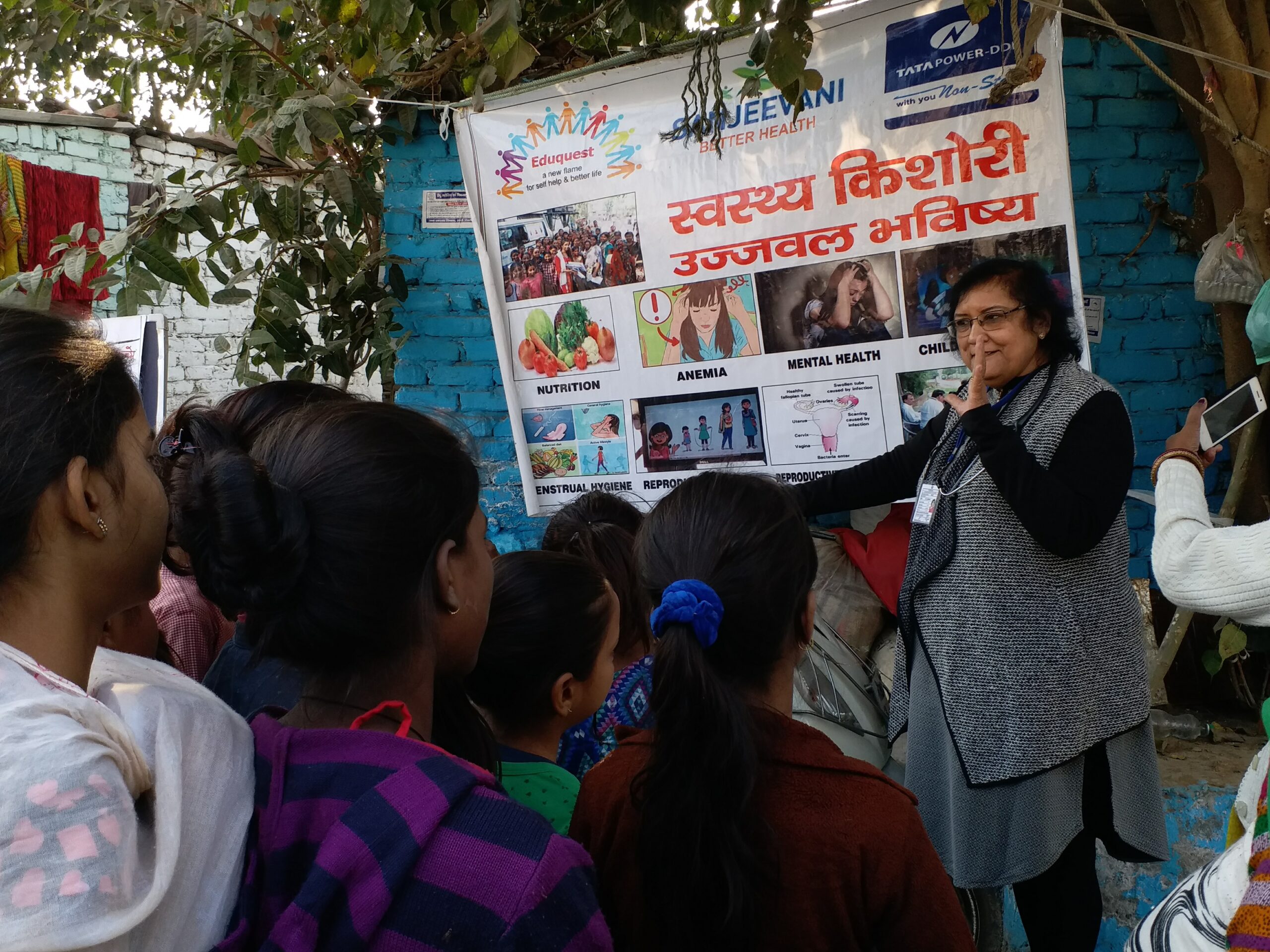
• Daily hygiene habits (handwashing, dental hygiene, hair/skin care)
• Menstrual hygiene awareness and practical guidance
• Nutrition and anaemia awareness
Wellbeing & life skills
• Confidence building and identity
• Communication and decision-making
• Dispelling common misconceptions through age-appropriate learning
Healthy lifestyle
• Nutrition basics and routine-building
• Encouraging exercise, sports, and healthy habits
• Creating positive environments through creative activities, films, nukkad natak, mono-acting, etc.
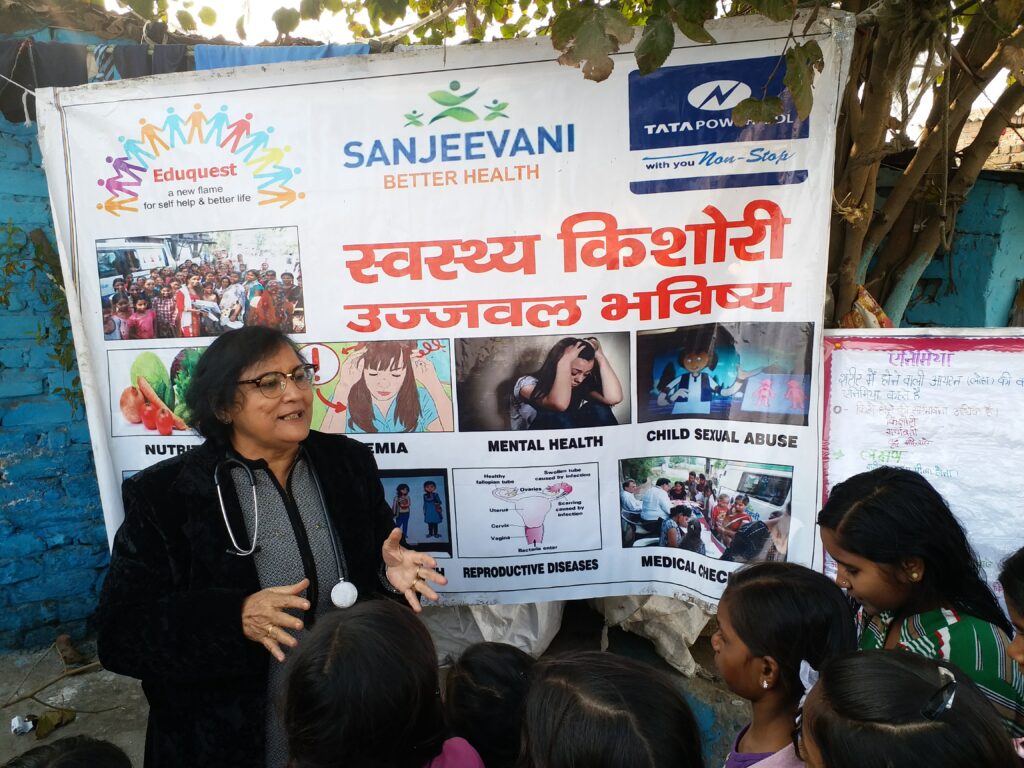
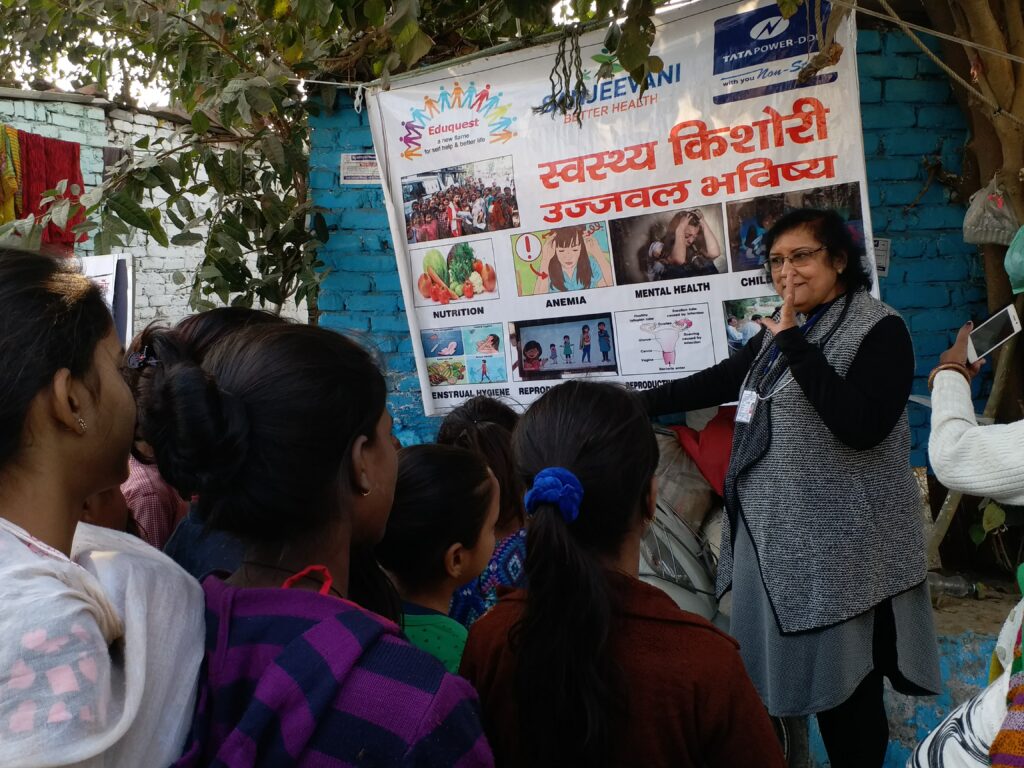
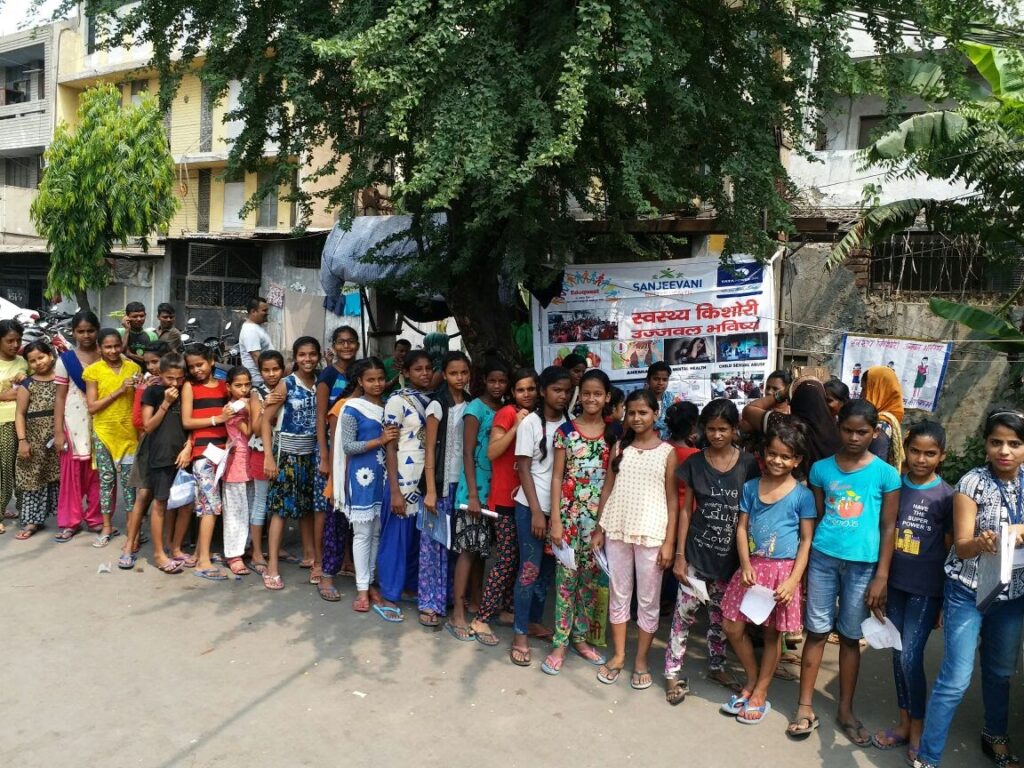
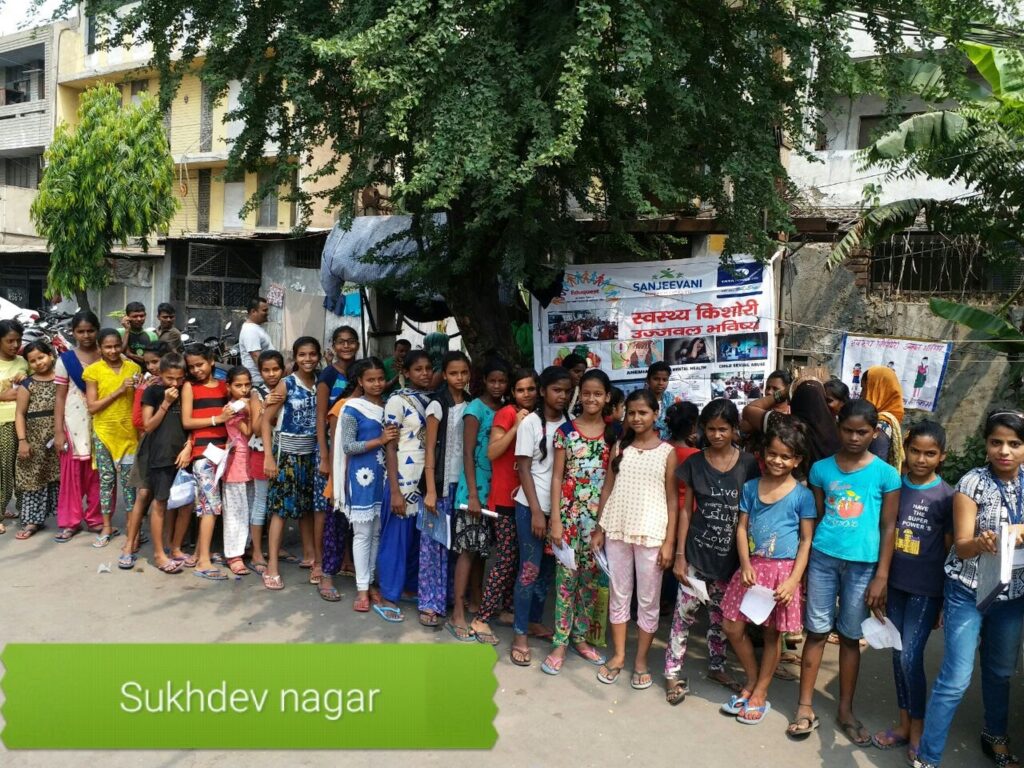
How new locations can be launched
At the start, the initiative can be introduced in four locations (as per project discussions). If successful, it can expand.
To coordinate the program locally, a community health coordinator model can be used, selected from the target area to support communication and mobilization alongside existing health outreach systems.
How You Can Help
Donate to Adolescent Girls’ Health
Your support helps run regular sessions, community outreach, and health education, so girls receive consistent guidance.
CSR Partnerships for Adolescent Girls’ Health in Delhi
If your organization wants measurable, community-level impact, Eduquest can execute structured sessions with documentation and reporting.
CSR opportunities: sponsor a cohort across 1 – 4 communities, health education + hygiene sessions, periodic check-up days & awareness drives, safe learning material & facilitation.
What partners receive: program plan + timeline, documentation and periodic reporting, reach metrics.
Factors that improve outcomes
Frequently asked questions
What do you mean by adolescent health?
Adolescent health refers to the physical, mental, and social wellbeing of teenagers (typically ages 10–19). It includes nutrition, hygiene, mental wellbeing, healthy routines, and access to correct health information.
Why is adolescent health important?
Because habits and awareness developed during adolescence strongly influence lifelong health, confidence, and decision-making, especially for girls in communities with limited access to timely guidance.
What are the 3 stages of adolescence?
Commonly described as:
- Early adolescence (10–13)
- Middle adolescence (14–16)
- Late adolescence (17–19)
What are the characteristics of adolescence?
Adolescence typically includes physical growth, emotional changes, identity development, increased social awareness, and stronger need for guidance and support systems.
How does Eduquest support adolescent girls?
Eduquest runs community-based sessions focusing on hygiene, nutrition, wellbeing, life skills, and practical awareness, supported by check-ups and counselling where feasible.
Explore our other programs
Explore each program area and see how you can support it.
Request a CSR Proposal
Tell us what your CSR team is trying to achieve and we’ll share a structured proposal with a program plan, timelines, and measurable reporting.
We typically respond within 1–2 working days with the best-fit options.
What you’ll receive:
Program recommendations aligned to your CSR theme
Execution plan + calendar (camps/sessions/cohorts)
Documentation and periodic reporting framework
Next-step call agenda (so your team can decide faster)